The Zenú already solved this — once
500,000 hectares. 2,000 years. Then it was forgotten.
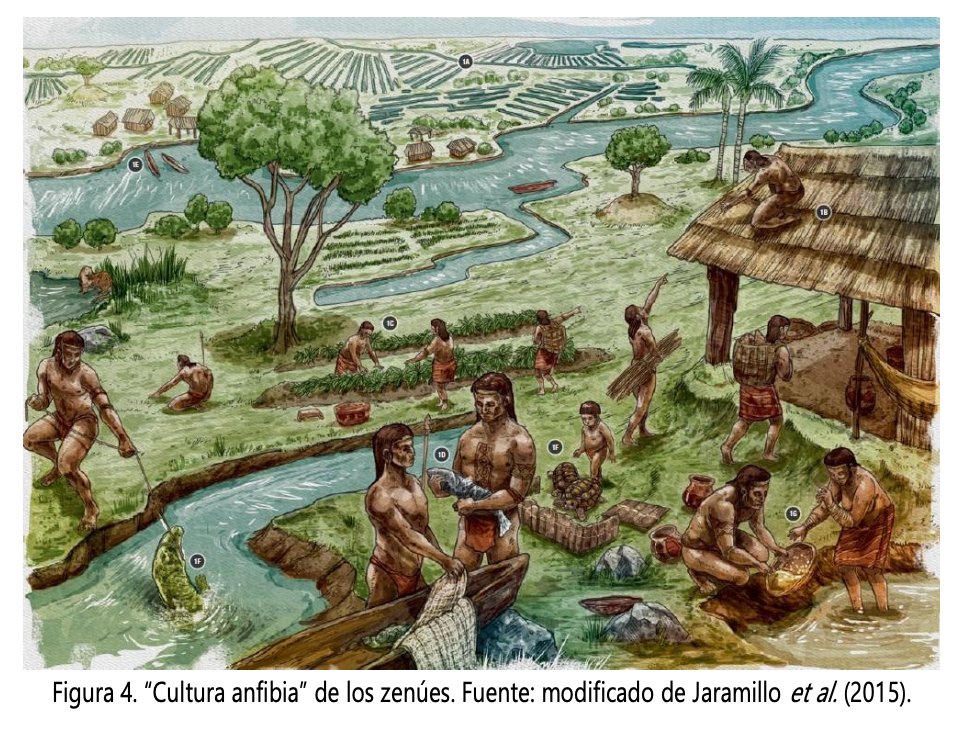
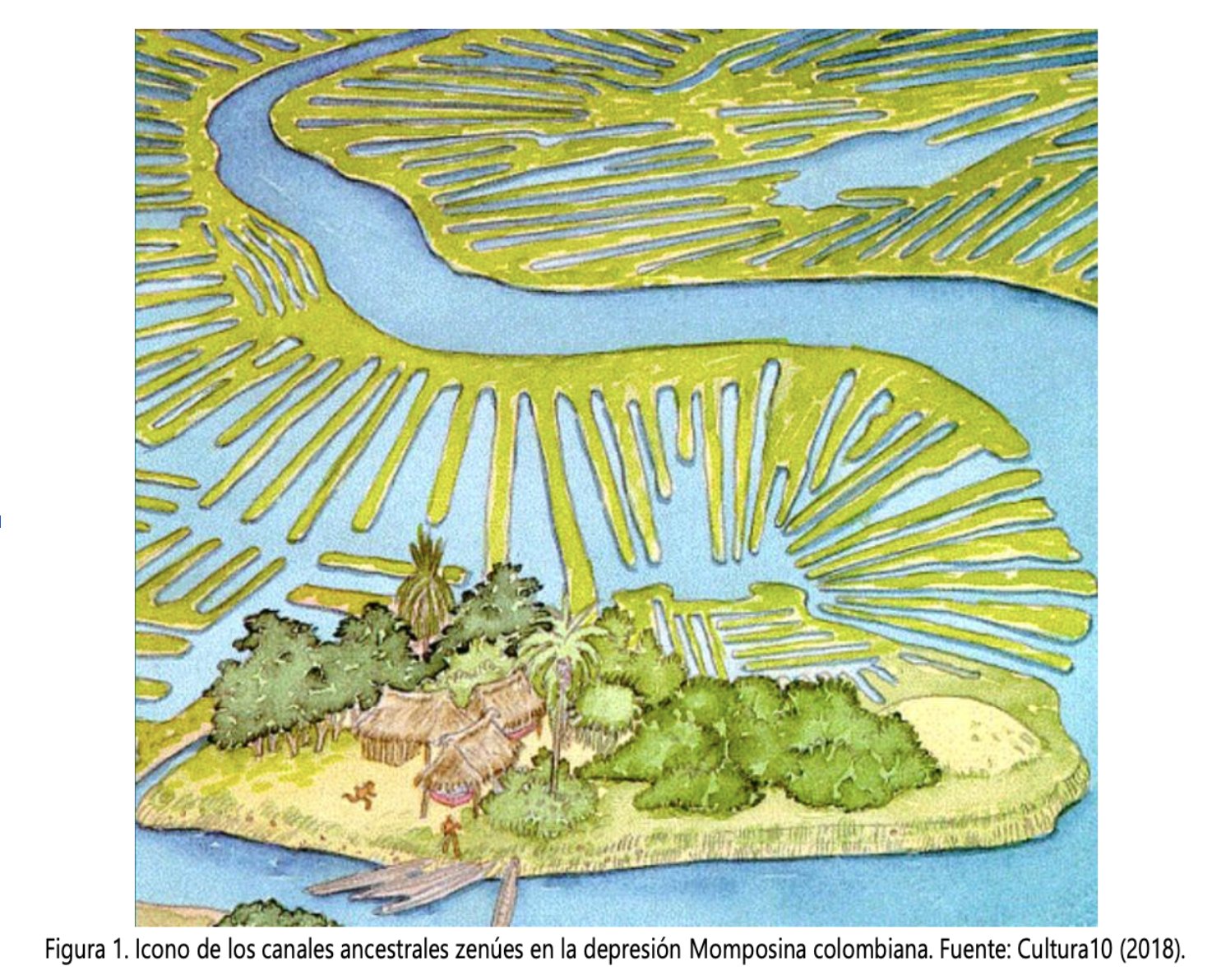
La Mojana is a 500,000-hectare wetland in northern Colombia where the Cauca, San Jorge and Magdalena rivers meet. For roughly two millennia before the Spanish arrived, it was home to the Zenú— pre-Columbian hydraulic engineers whose canal-and-camellón system embraced the seasonal floods rather than fighting them.
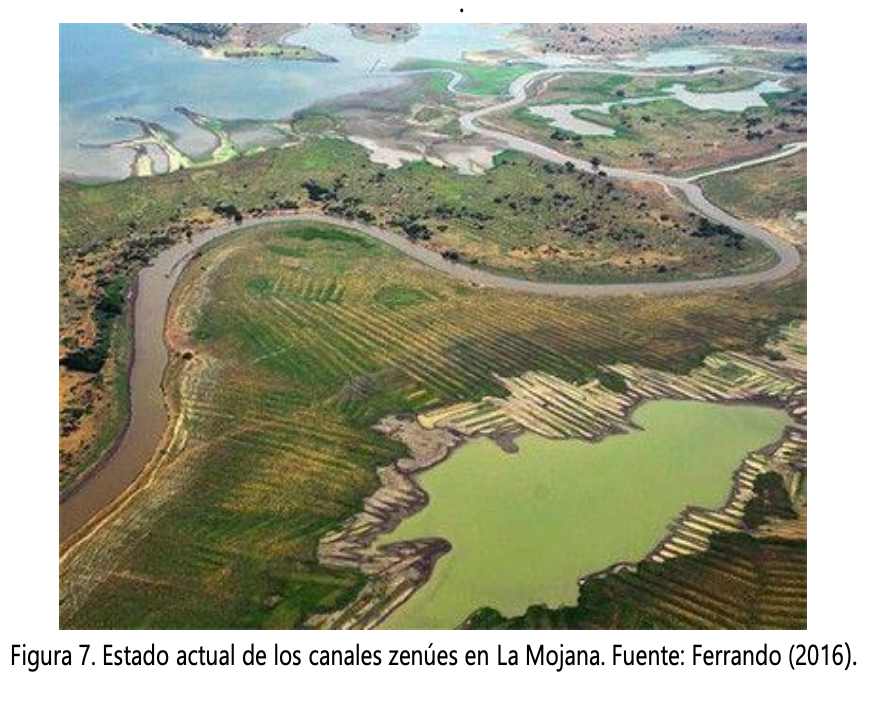
The faint herringbone patterns still visible from satellites today are theirs. So is the population estimated in the hundreds of thousands — denser than today.
Then European contact, depopulation and centuries of neglect collapsed the system. The drainage logic was forgotten. By the 20th century, the response had inverted: build dikes that try to keep water out instead of channels that move it through. The Cara de Gato dike has broken in 2021, 2024 and 2025.
The Zenú had landscape-literacy delivered by living in the landscape. We won't get that back. But we can build a system that delivers an analogous form of literacy — fast, verified, localised — through a pipeline that doesn't depend on the very infrastructure floods destroy.